Please quote property reference
Labella Realty -
The Philippines is famous around the world for its beautiful beaches, rich culture, and lively cities. With more than 7,000 islands, it’s no wonder that tourism is such a key part of the country’s economy. For investors or entrepreneurs looking for an exciting opportunity, buying a hotel or resort here could be a great choice. The travel industry is thriving, foreign visitors are on the rise, and there’s a strong demand for places to stay, making the market for hotels and resorts more promising than ever.
The Philippines has long been a favorite destination for travelers due to its diverse landscapes and unique cultural experiences. The rise of the middle class both locally and in other parts of Asia has led to an increase in domestic tourism, while international travelers are increasingly flocking to popular destinations like Boracay, Palawan, Cebu, and Davao. The influx of visitors creates a continuous demand for quality accommodations, whether it’s luxury resorts, boutique hotels, or eco-friendly retreats.
The Philippine government has been working hard to improve infrastructure, making travel across the country more convenient. New airports, expanded roadways, and better public transportation are helping locals and tourists get around with ease. These improvements have played a big role in boosting the appeal of the hotel and resort industry.
The Philippines is full of promising locations for hotel and resort investments. Here are some of the top regions to consider:
Boracay remains one of the most sought-after tourist destinations in the world. Known for its powdery white sand beaches and vibrant nightlife, the island attracts millions of visitors each year. Hotels and resorts here can range from luxury beachfront properties to more budget-friendly accommodations, all taking advantage of Boracay's booming tourism industry.
Palawan is consistently ranked as one of the most beautiful islands in the world. With its pristine beaches, crystal-clear waters, and stunning lagoons, it's a favorite for eco-tourism and luxury travel. The towns of El Nido and Coron are particularly popular, making it an excellent location for a resort or boutique hotel that caters to high-end visitors.
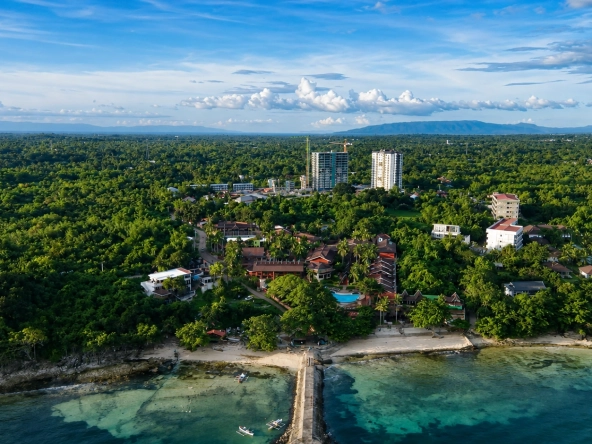
Cebu is another major tourism hub in the Philippines, known for its rich history, beautiful beaches, and proximity to world-class dive sites. The island offers a range of options for investors, from large resorts in Mactan and Moalboal to more intimate, private retreats on nearby islands.
For those seeking a cooler climate and proximity to Metro Manila, Tagaytay is a popular getaway. It offers breathtaking views of Taal Volcano and is just a short drive from the capital. This makes it an ideal location for boutique hotels, resorts, or even bed-and-breakfast establishments targeting both locals and tourists.
Davao, in Mindanao, is known for its safety, cleanliness, and robust local economy. As one of the country’s top cities for business and tourism, Davao offers a mix of coastal resorts and mountain retreats, making it a great place to invest in resorts and hotels.
Bohol is an increasingly popular destination in the Visayas, attracting tourists with its natural wonders, including the Chocolate Hills, white-sand beaches, and tarsier sanctuaries. Panglao Island, in particular, has become a hotspot for beach resorts and boutique hotels due to its proximity to the new Panglao International Airport and world-class diving spots. Bohol offers a balance of tranquility and tourism activity, making it a compelling location for hospitality investments.
Accessibility is crucial when investing in hotels and resorts. Fortunately, the Philippines offers a range of transportation options that make it easier for tourists to reach even the most remote locations.
Major international airports in Manila (Ninoy Aquino International Airport), Cebu (Mactan-Cebu International Airport), and Davao (Francisco Bangoy International Airport) serve as the primary hubs for international and domestic flights. Smaller airports in tourist areas like Boracay (Caticlan Airport) and Palawan (Puerto Princesa Airport) also offer access to popular resort destinations.
Within cities and between regions, buses, vans, and taxis are common modes of transportation. The development of expressways and roadways (such as the Tarlac-Pangasinan-La Union Expressway and the Cavite-Laguna Expressway) has made travel more efficient, especially for regions close to Metro Manila.
Given that the Philippines is an archipelago, boat travel is essential for reaching many popular tourist destinations, especially in islands like Boracay, Palawan, and Bohol. Ferries and private boats make the journey to these islands both easy and scenic.
Jeepneys, tricycles, and ride-hailing apps like Grab are common ways to get around within cities and tourist spots.
The cost of operating a hotel or resort in the Philippines is relatively affordable compared to other popular tourist destinations in Southeast Asia. Property prices for resorts can vary widely depending on location. For example, beachfront properties in Boracay or Palawan are more expensive, but the return on investment can be significant due to the high volume of international tourists.
In terms of daily living costs, the Philippines offers affordable labor, utilities, and general expenses. On average, operating a hotel or resort in a major city like Cebu or Metro Manila can cost between ₱40,000 and ₱100,000 monthly for utilities, depending on the size of the property. In more rural or tourist-centered areas, expenses like staffing, food, and services are often more budget-friendly.
The Philippines is brimming with activities for every kind of tourist. Whether you’re operating a beach resort, mountain retreat, or city hotel, there’s always something for guests to enjoy. Some of the most popular activities include:
Snorkeling, diving, surfing, and kayaking are staples at beachfront resorts in destinations like Boracay, Palawan, and Siargao.
Guests can explore nearby islands, often accessible by boat, for a day of adventure and relaxation.
In cities like Manila and Cebu, tourists can explore historical landmarks, museums, and traditional festivals.
Davao and Palawan offer ecotourism activities like hiking, wildlife watching, and visiting natural parks.
Zip-lining, ATV rides, and canyoning are growing in popularity, especially in areas like Tagaytay and Davao.
Investing in a hotel or resort in the Philippines gives you the chance to tap into one of the most exciting tourism markets in Southeast Asia. With so many beautiful locations, ongoing infrastructure improvements, and an ever-growing demand for places to stay, the Philippines is an ideal spot for anyone looking to enter the hospitality business.
When deciding where to invest, it’s important to think about things like transportation options, the local economy, and the kinds of activities that attract tourists to different areas. Whether you’re aiming to attract luxury vacationers, thrill-seekers, or eco-conscious travelers, the Philippines offers the perfect backdrop for a successful hotel or resort business.
Compare listings
ComparePlease enter your username or email address. You will receive a link to create a new password via email.